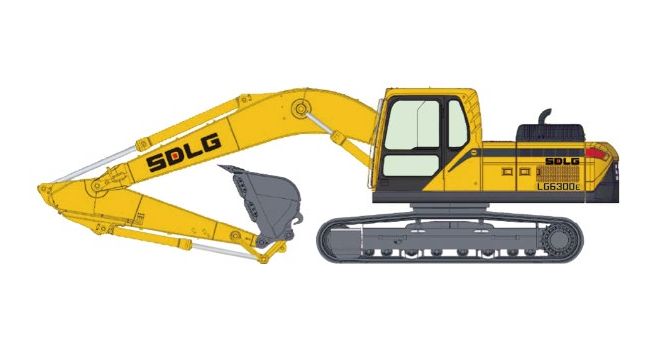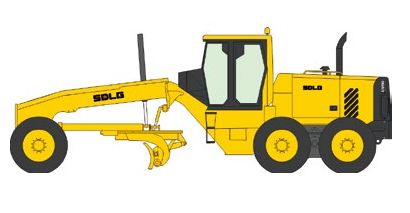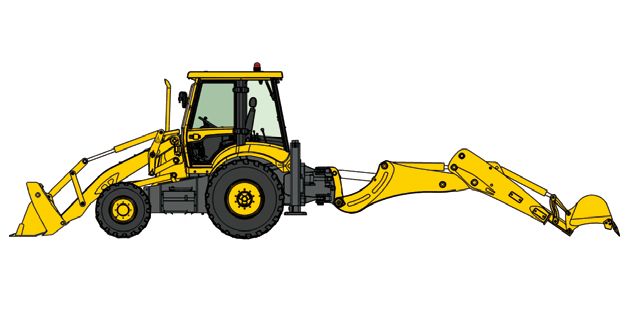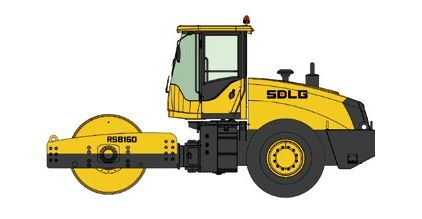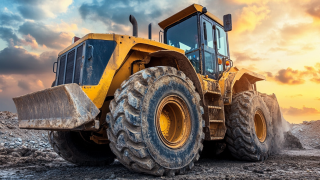
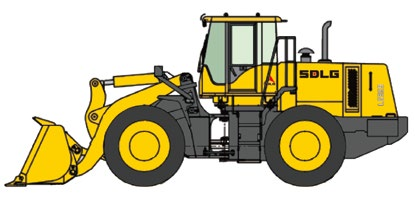
Heavy machinery really is a cornerstone of modern industry, powering everything from building sites to mines and farms. According to the latest reports from the Global Construction Equipment Market Research, the industry is looking at some serious growth — estimates say it could hit around $200 billion by 2025. That’s mainly because of the skyrocketing demand for infrastructure projects and new construction tech around the world. One company that stands out in this scene is Linyi Weiman Import and Export Co., LTD., based in Linyi City, Shandong province. They've become a go-to supplier for all kinds of heavy construction gear, like wheel loaders, mini loaders, backhoes, skid steers, excavators, and motor graders.
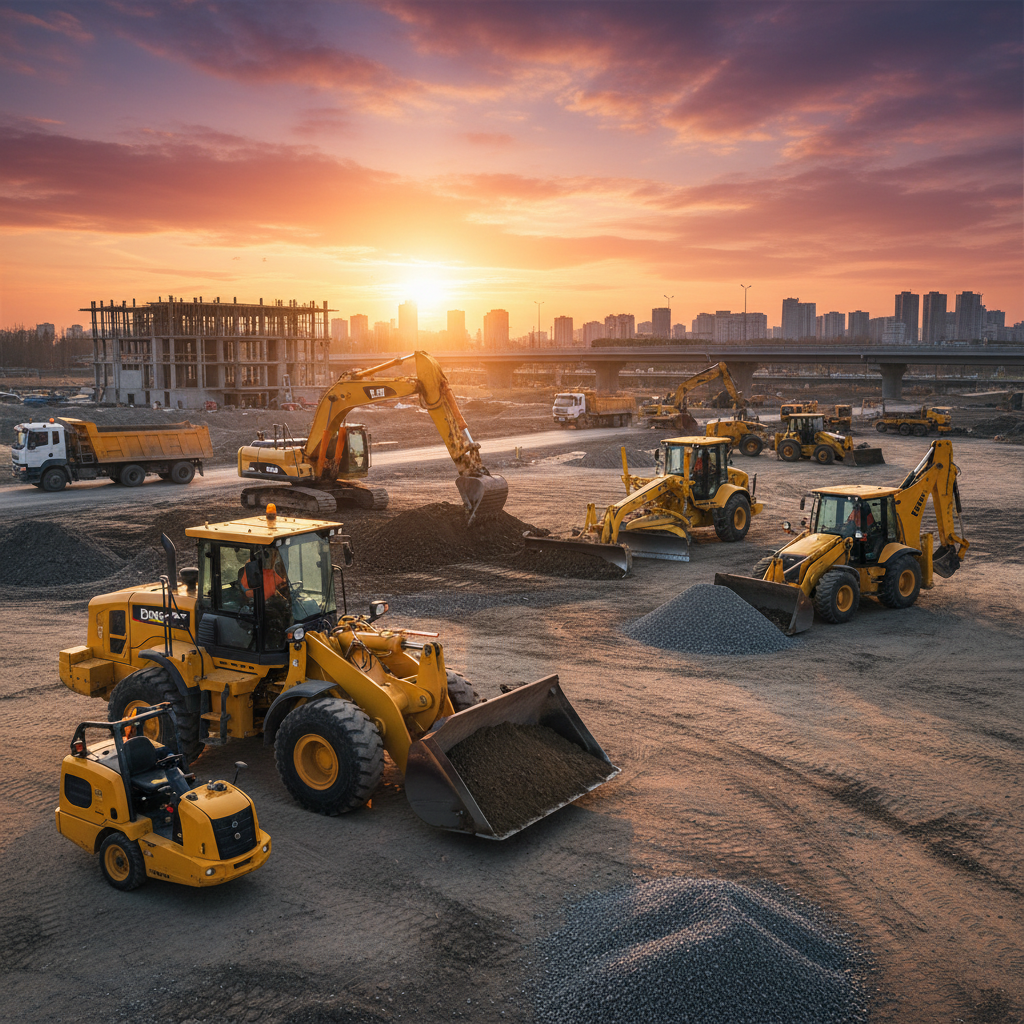
Honestly, heavy machinery’s importance can’t be overstated. These machines boost efficiency, make jobs safer, and help get projects done a lot quicker. Take excavators, for example—they can boost productivity by over 50% compared to doing it all manually. Companies like Linyi Weiman really play a key role here, providing top-notch equipment that keeps up with what today’s businesses need — helping them handle tough jobs with precision and less hassle. As industries keep pushing forward and growing, our reliance on heavy machinery is only gonna get bigger, cementing its role as an essential driver of economic growth and sustainability.
Heavy machinery refers to large, powerful equipment designed to perform specific tasks within various industries. These machines play a crucial role in construction, mining, manufacturing, and logistics. Some common types of heavy machinery include excavators, bulldozers, cranes, and wheel loaders. Each type serves distinct purposes, such as digging, lifting, or transporting materials, highlighting the diverse applications of heavy machinery across sectors.
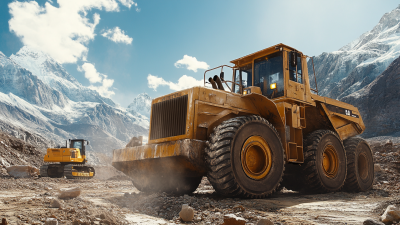
Understanding the types of heavy machinery is vital for effective operation and maintenance. Excavators, for instance, are essential for earthmoving and excavation tasks. Bulldozers, known for their robust blades, are used for clearing and grading land. Cranes enable the lifting of heavy loads to significant heights, making them indispensable in construction and loading operations. Wheel loaders, on the other hand, are versatile machines used for loading materials onto trucks or moving them around a site. Each of these machines contributes significantly to enhancing productivity and efficiency in modern industrial processes.
| Type of Heavy Machinery | Definition | Key Uses | Industry Applications | Importance |
|---|---|---|---|---|
| Excavators | Heavy equipment used for digging, lifting, and demolition | Excavating earth, lifting heavy materials | Construction, Mining | Essential for large-scale construction and earth-moving projects |
| Bulldozers | Powerful machines with a wide metal blade to push material | Land clearing, grading | Construction, Forestry | Crucial for preparing sites for construction and other land projects |
| Cranes | Machines used to lift and move heavy objects vertically and horizontally | Lifting construction materials, large equipment | Construction, Shipping | Vital for erecting buildings and transporting goods |
| Dump Trucks | Vehicles designed to transport loose material for construction | Hauling soil, gravel, or sand | Construction, Mining | Essential for moving materials efficiently to and from sites |
| Forklifts | Powered industrial trucks used to lift and move materials | Lifting pallets, loading and unloading | Warehousing, Manufacturing | Crucial for efficient material handling in various industries |
Heavy machinery plays a crucial role in the construction and infrastructure sectors, providing the necessary power and efficiency to tackle large-scale projects. Equipment such as cranes, excavators, and bulldozers are indispensable for moving earth, lifting heavy materials, and shaping the landscape. These machines not only enhance productivity but also ensure the safety and precision required in tasks that would be challenging, if not impossible, to achieve manually.
In infrastructure development, heavy machinery supports everything from road construction to bridge building. The capacity to operate in various terrains and under tough conditions makes these machines ideal for such projects. Moreover, advancements in technology have led to more efficient and environmentally friendly equipment, which further underscores the importance of heavy machinery in modern industry. By facilitating faster project completion, heavy machinery helps meet the growing demands for urban development and public works, ultimately contributing to economic growth and improved quality of life.
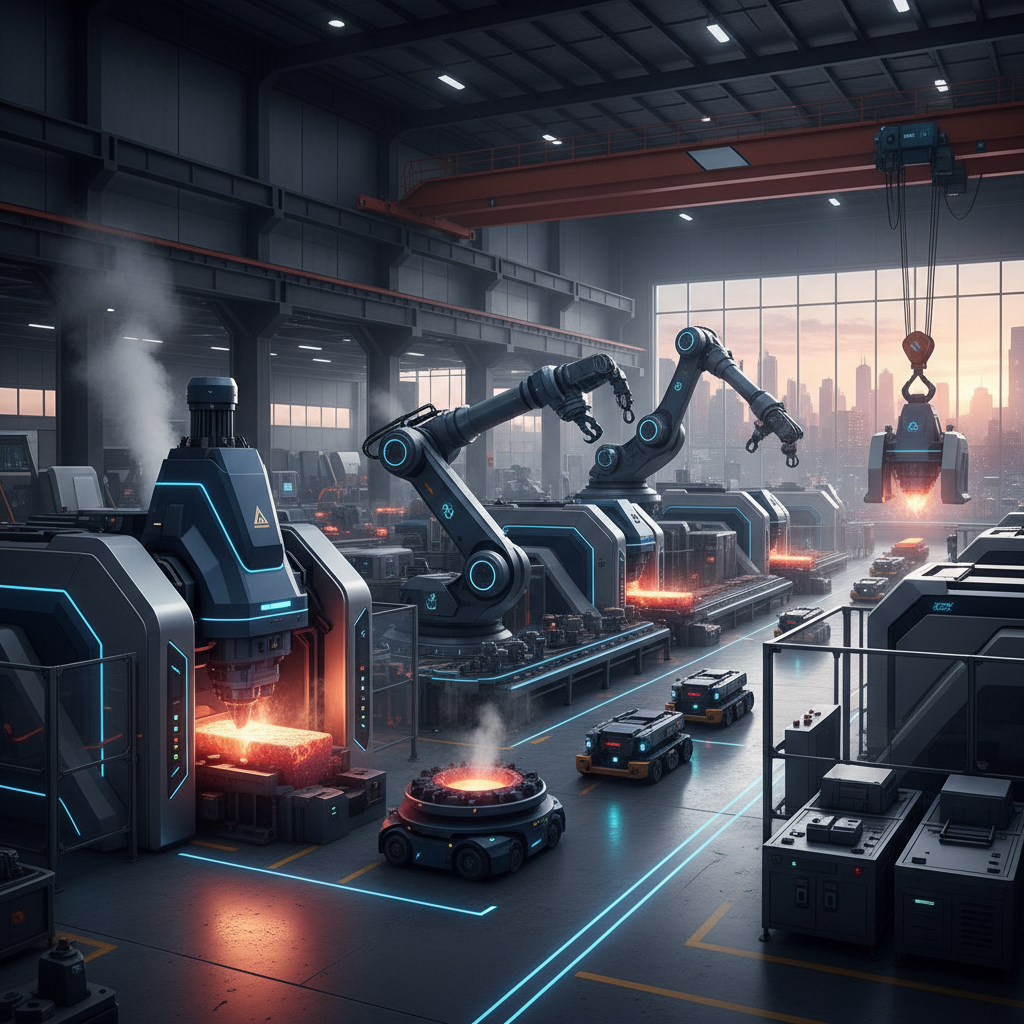
Heavy machinery plays an essential role in modern manufacturing, significantly enhancing efficiency and productivity. As industries increasingly adopt intelligent and automated processes, the integration of advanced machinery leads to streamlined operations and improved output quality. The projected growth of the global forging market to $90,922.4 million by 2025, and its expected increase to $137,435 million by 2033, underscores the vital role heavy machinery will continue to play in driving economic growth.
Tips: To maximize the benefits of heavy machinery in manufacturing, companies should invest in training their workforce to operate these advanced tools effectively. Moreover, regular maintenance and upgrades can prevent downtime, ensuring that production processes remain efficient.
As traditional industries undergo transformations towards smarter and greener practices, heavy machinery becomes a catalyst for innovation. The focus on digital and intelligent upgrades not only boosts productivity but also aligns with sustainability goals. Embracing an integrated approach that combines various technological advancements can unlock enormous growth potential, paving the way for new types of productive capacities.
Tips: Explore partnerships with technology providers to facilitate the integration of IoT and automation in manufacturing processes. This collaboration can lead to enhanced data insights, enabling industries to adapt quickly to changing market demands.
Heavy machinery plays a pivotal role in modern industry, facilitating tasks that require significant power and precision. With the growth of the construction and infrastructure sectors, the importance of adhering to safety standards and regulations in heavy machinery operations cannot be overstated. A report by the Occupational Safety and Health Administration (OSHA) highlights that improper handling and lack of compliance with safety protocols can result in up to 100 fatalities annually in the construction industry alone. Companies like Linyi Weiman Import and Export Co., LTD prioritize stringent safety measures to mitigate these risks, ensuring that their heavy construction equipment, such as wheel loaders and excavators, meets or exceeds industry safety standards.
The significance of maintaining safety in heavy machinery operations extends beyond compliance; it promotes a culture of safety that can lead to enhanced productivity and reduced operational costs. According to the National Institute for Occupational Safety and Health (NIOSH), organizations that implement rigorous safety training reduce workplace injuries by as much as 30%. Linyi Weiman is committed to providing not only top-quality machinery but also educating clients on best safety practices, making sure that operators are well-versed in handling equipment like luxury mini loaders and skid steer loaders safely and efficiently. By doing so, they uphold a standard that protects workers and enhances overall operational effectiveness.
Heavy machinery plays a crucial role in various industries, each utilizing it for different purposes. This chart illustrates the percentage of heavy machinery utilization across key sectors, highlighting the construction industry as the most significant user, followed by mining, manufacturing, agriculture, and transport.
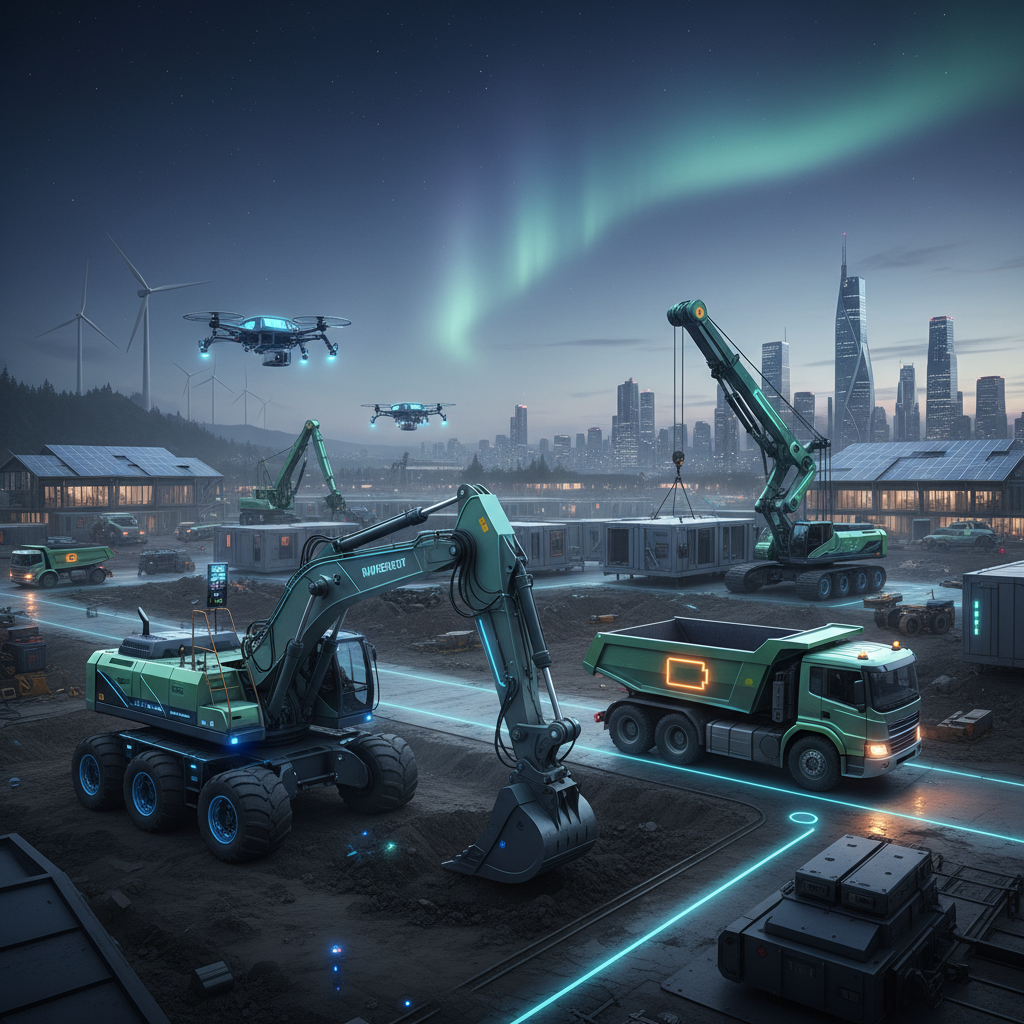
The future of heavy machinery is poised for transformation, driven by advancements in technology and a growing emphasis on sustainability. Innovations such as automation, artificial intelligence, and data analytics are enhancing the efficiency and safety of machinery operations. These technologies not only streamline processes but also significantly reduce the risk of human error, leading to improved productivity across various industries. Furthermore, the integration of electric and hybrid engines in heavy machinery is helping to lower carbon emissions, aligning with global sustainability goals.
Tip: When investing in heavy machinery, consider models that emphasize energy efficiency and eco-friendly technologies. These not only benefit the environment but may also provide long-term savings on operational costs.
Another key development in the heavy machinery sector is the move towards smart machinery that can communicate and share data in real-time. This interconnectedness allows for better maintenance strategies, predictive analytics, and improved decision-making. As companies adopt these innovations, they will be better positioned to meet the demands of an ever-evolving market while minimizing their ecological footprint.
Tip: Leverage data analytics tools to monitor equipment performance. Regular analysis can unveil patterns that lead to proactive maintenance, reducing downtime and enhancing the lifespan of your machinery.
Heavy machinery plays a crucial role in modern industry, significantly impacting economic growth and development. The construction sector, for instance, relies heavily on advanced equipment such as wheel loaders, backhoe loaders, and excavators to enhance productivity and efficiency. Companies like Linyi Weiman Import and Export Co., LTD. in Shandong province provide a variety of heavy construction equipment that is essential for large-scale projects. This accessibility to reliable machinery allows businesses to execute tasks more swiftly and effectively, ultimately contributing to a more robust economy.
Moreover, the economic impact of heavy machinery is evident in its ability to streamline operations and reduce labor costs. By investing in high-quality equipment, industries can achieve greater output with fewer resources. The luxury mini loaders and skid steer loaders offered by Weiman exemplify the technological advancements that not only improve operational speed but also ensure safety and precision on job sites. As industries continue to evolve, the demand for efficient heavy machinery will only grow, underscoring its importance in fostering economic development and maintaining a competitive edge in the global market.
: Heavy machinery refers to large, powerful equipment designed for specific tasks in industries such as construction, mining, manufacturing, and logistics.
Common types of heavy machinery include excavators, bulldozers, cranes, and wheel loaders, each serving distinct purposes like digging, lifting, or transporting materials.
Heavy machinery enhances productivity and safety by efficiently handling large-scale tasks such as moving earth, lifting materials, and shaping landscapes.
Innovations like automation, artificial intelligence, and energy-efficient designs are transforming heavy machinery operations, increasing efficiency and reducing environmental impact.
The integration of electric and hybrid engines helps lower carbon emissions and aligns with global sustainability goals, promoting eco-friendly practices in the industry.
Data analytics tools can monitor equipment performance, enabling proactive maintenance, reducing downtime, and enhancing machinery lifespan through pattern recognition.
Advanced technologies streamline operations, reduce human error, and improve safety, contributing to enhanced overall productivity across various industries.
Investing in energy-efficient models can lead to long-term savings on operational costs and help mitigate environmental impacts, supporting sustainable practices.
Heavy machinery facilitates faster project completion for infrastructure developments, such as road and bridge construction, aiding in economic growth and improved quality of life.
Trends include the rise of smart machinery that can communicate in real-time and advancements in environmentally friendly technologies to minimize ecological footprints.
Heavy machinery plays a crucial role in modern industry, particularly in construction and manufacturing. Understanding its definition and types is essential, as these powerful machines, including wheel loaders, excavators, and backhoe loaders, enhance efficiency and productivity. In construction, heavy machinery aids in infrastructure development, while in manufacturing, it streamlines processes and increases output.
Safety regulations and standards are vital for ensuring the safe operation of heavy machinery, protecting workers and enhancing operational reliability. As we look towards the future, innovations in heavy machinery and a focus on sustainability will shape the industry, driving economic growth. Companies like Linyi Weiman Import and Export Co., LTD. exemplify the importance of heavy machinery by supplying high-quality construction equipment that meets the demands of modern industry.