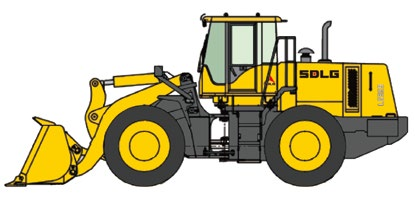
 Wheel Loader
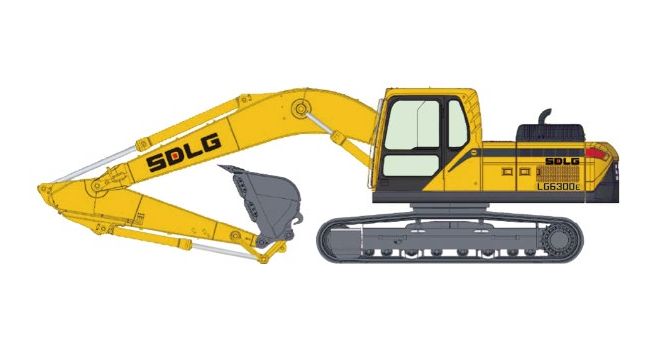 Excavator
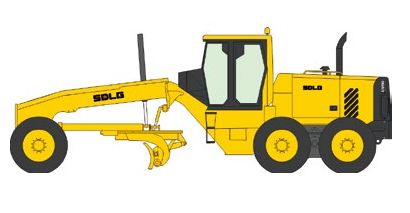 Motor Grader
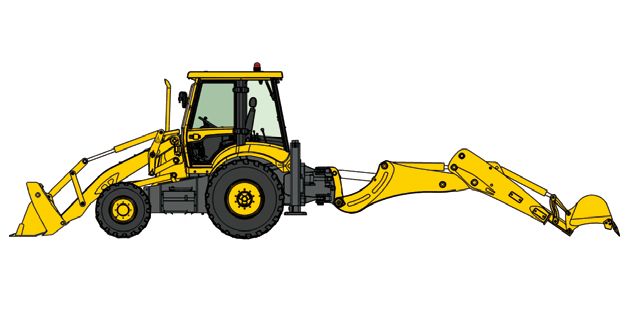 Backhoe Loader
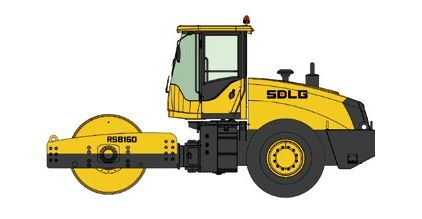 Road Roller
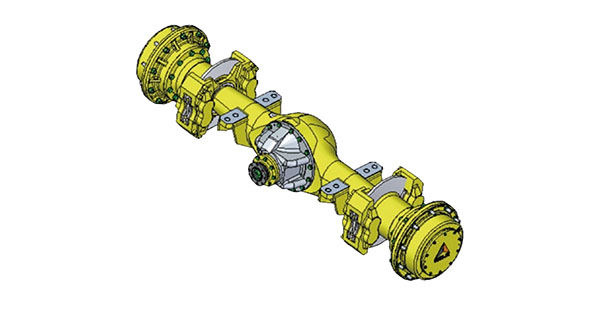 Spare Parts
Leave Your Message
You know, with global trade shaking things up, there’s this crazy surge in demand for high-quality construction equipment—especially in those up-and-coming markets. That's where Linyi Weiman Import and Export Co., LTD. comes into play. They're based right in Linyi city, Shandong province, and they're making a name for themselves as a top Equipment Trader in this thriving industry. A recent report from Market Research Future even says that the global construction equipment market could hit a whopping USD 230 billion by 2025! Can you believe it? This boom is all thanks to rapid urbanization and major infrastructure projects taking off. With an impressive lineup of gear—think wheel loaders, fancy mini loaders, backhoe loaders, skid steer loaders, excavators, and motor graders—Weiman is really killing it when it comes to providing top-notch heavy construction equipment around the globe. In this blog, we're gonna dive into how Linyi Weiman is making it easier than ever to get high-quality equipment from China out to markets all over the world.
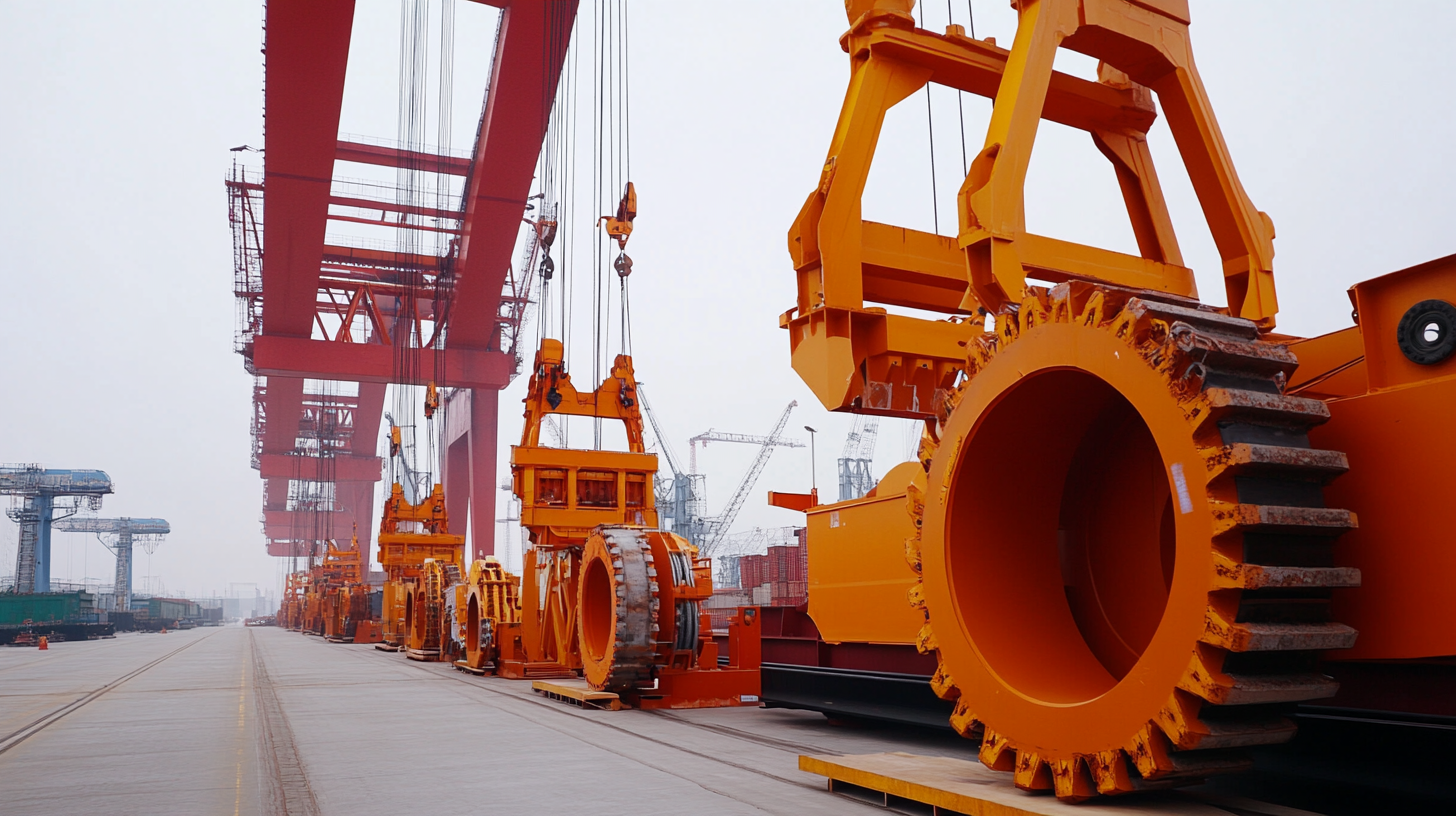
You know, the way Chinese equipment manufacturing has taken off really is changing the game for global trade. In just the last few years, China has become this major player when it comes to making all sorts of industrial and consumer gear, which has led to a huge boost in exports. Seriously, if you look at the numbers, you'll see that China's exports of machinery and equipment have been on a steady rise, accounting for over 30% of the global market share. It's pretty impressive, and it's all thanks to a mix of factors like tech advancements, super competitive pricing, and better manufacturing capabilities.
But here's the kicker: Chinese manufacturers aren’t just cleaning up in the lower-end market; they’re really stepping up their game in high-tech areas too—think telecommunications and renewable energy. They’re pouring a lot into R&D, which is helping them produce top-notch products and spark some real innovation. Because of this, international markets are starting to pay attention to Chinese equipment, recognizing it for its reliability and efficiency. It really cements China’s role as a big-time leader in the equipment manufacturing world. This whole scenario not only highlights China’s manufacturing prowess but also sheds light on how the global trade dynamics are shifting.
| Year | Export Value (Billion USD) | Top Export Destinations | Growth Rate (%) | Key Equipment Categories |
|---|---|---|---|---|
| 2019 | 200 | USA, Germany, Japan | 5.0 | Construction, Electronics, Machinery |
| 2020 | 210 | USA, India, Brazil | 5.0 | Telecommunications, Automotive, Consumer Goods |
| 2021 | 230 | USA, EU, ASEAN | 9.5 | Heavy Equipment, Robotics, Renewable Energy |
| 2022 | 250 | USA, Australia, Canada | 8.7 | Agricultural Equipment, HVAC, Smart Devices |
| 2023 | 270 | USA, Japan, South Korea | 8.0 | Industrial Automation, Electric Vehicles, Green Technology |
You know, in the last few years, there's been a lot of chatter about the quality of equipment exports coming out of China. It’s pretty interesting how, as the Chinese manufacturing sector keeps booming, they’re really stepping up their game when it comes to meeting global quality standards. This change isn’t just about keeping up with the competition; it's also because consumers everywhere are expecting their equipment to be reliable and safe. To tackle this, many Chinese manufacturers are pouring a ton of resources into cutting-edge technologies and tight quality control processes to make sure their products stack up against international benchmarks.
To keep up with those global standards, tons of Chinese companies have jumped on the bandwagon and adopted some serious quality management systems. We’re talking about thorough testing protocols, getting those ISO certifications, and adopting best practices in their production techniques. By doing all of this, they're not only boosting the durability and performance of their gear but also polishing their image on the worldwide stage. This push towards quality not only gives China a leg up in international supply chains but also helps them build trust with customers all over the globe, which in turn opens up all kinds of new opportunities for trade and partnerships.
You know, global trade—especially when it comes to equipment—really hits some snags in the logistics department that can throw a wrench in the supply chain. I mean, dealing with the complicated maze of international shipping, customs rules, and the totally different standards in various countries takes some serious strategy. It’s crucial to manage logistics efficiently so that equipment can glide right from production in China into markets all over the world. If companies don’t tackle these logistics headaches, they might end up with delays, rising costs, and a bunch of unhappy customers, which is never a good look.
One biggie in the supply chain is just how unpredictable transportation can be. Think about it—things like port congestion or sudden weather changes and even political issues can really mess with timelines. Plus, navigating customs clearance can create some nasty bottlenecks that nobody wants to deal with. To handle these challenges, companies really need to put some thought into solid logistics solutions and maybe even look into alternative routes and transport methods. Being proactive is key, and hey, using real-time tracking tech can really step up visibility throughout the supply chain. That way, if something does pop up, they can jump on it quickly and keep that flow from Chinese manufacturers to global markets running as smoothly as possible.
You know, with the global demand for equipment really taking off, it’s become super important to dive into some strategic market analysis to spot who the key players are in the import game. Take Vietnam’s crawler excavator market, for example—it’s booming! With a whopping USD 17 billion investment planned for infrastructure in 2024, this is seriously going to shake up equipment demand. It’s like Vietnam is stepping onto the world stage as a must-watch market for international suppliers of heavy machinery.
And let’s not overlook the fact that both the European Union and the U.S. are becoming more reliant on certain equipment from China. This really shows how global trade dynamics are shifting. As these countries lean more on imports to meet their machinery needs, we’ve got to keep our eyes peeled on which nations are leading the charge in equipment imports. Reports are popping up about all sorts of machinery—from machines for making semiconductors to those for animal feed—that are definitely sectors to keep an eye on. All this change indicates some exciting opportunities for exporters, but it also highlights how crucial it is to stay flexible and adapt in our supply chains, especially as these markets keep evolving.

Hey, have you noticed how China, which has long been seen as the go-to manufacturing giant, is really stepping up its game in terms of sustainability? It's pretty cool! As everyone starts asking for greener solutions, Chinese manufacturers are jumping on the eco-friendly bandwagon. A recent report from the International Energy Agency shows that by 2030, half of China's energy mix is expected to come from renewable sources. How awesome is that? This shift doesn't just help lower carbon emissions, but it also helps them meet global standards for sustainable production, which is a big deal these days.
To make this happen, Chinese companies are really getting into advanced manufacturing. They're focusing on being more efficient and cutting down on waste. For instance, with smart manufacturing technologies coming in, they can boost energy efficiency in production by about 20 to 30%. Plus, by putting some money into research and development, they're coming up with new materials and methods that lessen their environmental impact. It's kind of a win-win for the economy and the planet, right?
**Pro tip:** If you're a company looking to partner with Chinese manufacturers, definitely focus on those that are committed to sustainability. It's super important to ensure your supply chains meet quality standards while also sticking to eco-friendly practices.
**Another tip:** Keep an eye on the latest global eco-certification standards! They can really affect international trade and what consumers are looking for, so staying updated will help manufacturers align with what the market's demanding.

You know, the global equipment trade is really going through some big changes these days! It’s all thanks to tech advancements, shifts in what consumers want, and, of course, the geopolitical scene. Countries are really stepping up their game to boost their manufacturing capabilities, which means the demand for top-notch equipment is skyrocketing. This trend is especially noticeable in emerging markets where a booming economy is driving lots of investment in new tech and machinery. And let’s face it, China, with its solid manufacturing setup and knack for innovation, is set to be at the forefront of meeting this growing demand.
Looking ahead, it seems like the equipment trade isn’t just going to get bigger, but also more varied. More and more countries are focusing on building resilient supply chains to avoid being too reliant on any one nation. So, we can expect to see a rise in partnerships and collaborations between Chinese manufacturers and firms from different parts of the world. This changing landscape is full of unique opportunities for businesses that are ready to adapt and innovate, making way for a more interconnected and competitive global market. As we move forward, it’ll be super important for everyone involved in the equipment trade to keep an eye on these shifts!
: The main factors include technological advancements, competitive pricing, and improved manufacturing capabilities.
China's machinery and equipment exports account for over 30% of the total global market share.
Chinese manufacturers are investing heavily in advanced technologies, rigorous testing protocols, ISO certifications, and best production practices to enhance quality.
China is making significant progress in high-tech sectors such as telecommunications and renewable energy.
A significant trend is Vietnam's planned infrastructure investment of USD 17 billion for 2024, which is expected to greatly increase demand for heavy machinery imports.
The emphasis on quality assurance and compliance with global standards has improved the reputation of Chinese equipment, establishing it as reliable and efficient.
Monitoring this reliance is crucial as it highlights shifting dynamics in global trade and the need for flexibility in supply chains to meet machinery needs.
Many Chinese manufacturers are adopting comprehensive quality management systems that include rigorous testing and adherence to international certifications.
The evolving landscape presents promising opportunities for exporters by creating new markets and emphasizing the need for adaptability in supply chains.
Increasing consumer expectations for reliability and safety are driving Chinese manufacturers to enhance their quality assurance processes and product offerings.