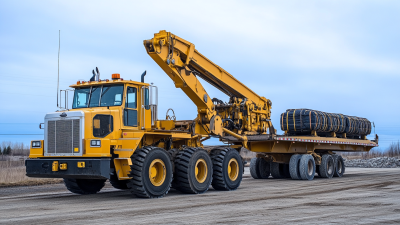
You know, the world of construction equipment is really shifting gears these days, and one thing that’s becoming super clear is how crucial Heavy Machinery Transport advancements are, especially for global buyers looking ahead to 2025. A report from Research and Markets even suggests that the global heavy machinery market could hit a whopping $200 billion by then! What’s really interesting is the trend towards new transport technologies that not only boost efficiency but also help in cutting down operational costs. Linyi Weiman Import and Export Co., LTD., being a key player in the heavy construction equipment scene, totally understands the need to jump on board with these emerging technologies. We're talking about everything from smarter logistics solutions to automation in transport systems. In this blog, we’re going to break down these innovations and share some practical tips on how to make the most of them during the buying process. This way, global buyers can really get ahead in this competitive market.
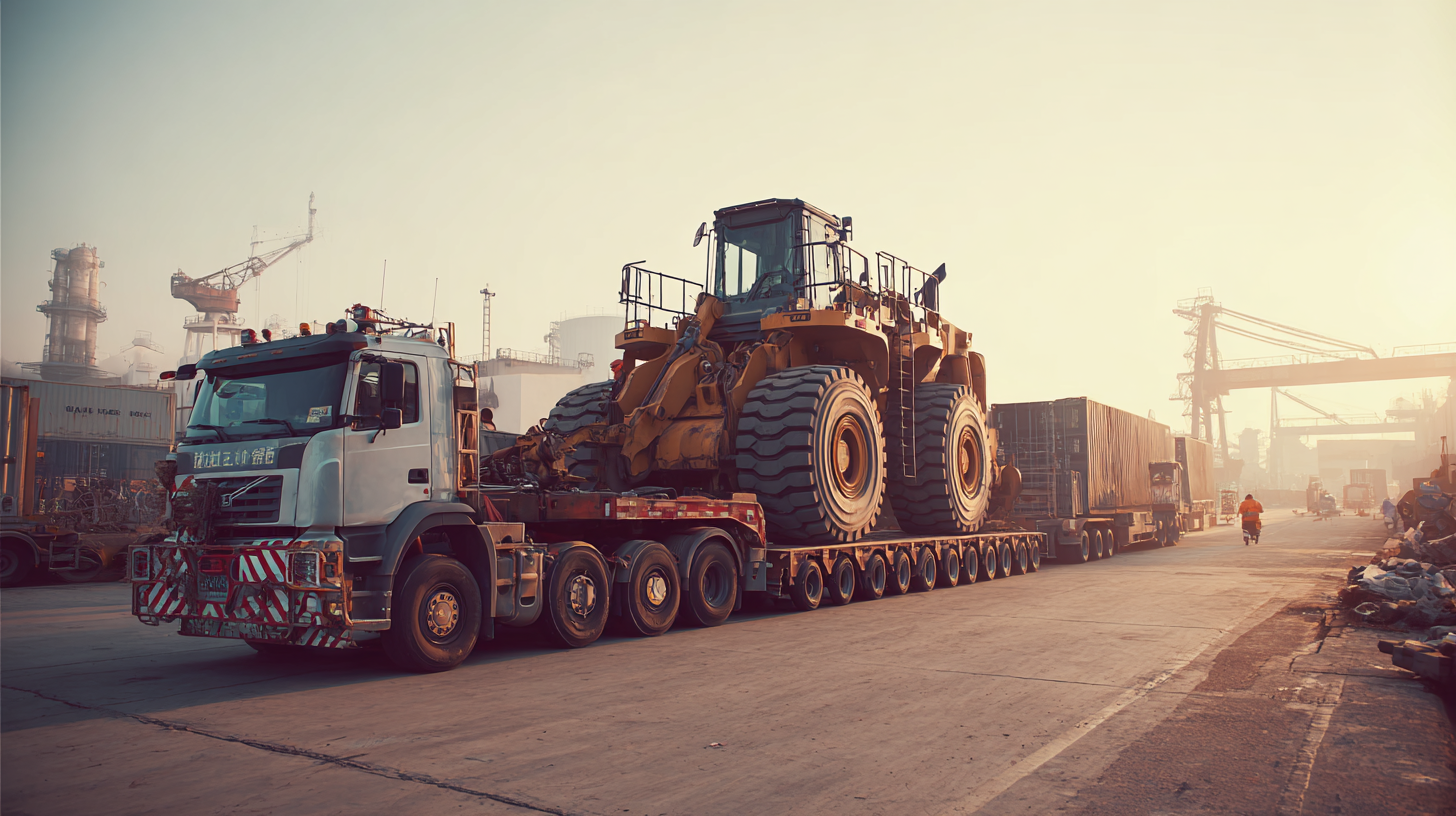
Emerging Trends in Heavy Machinery Transport: Embracing Automation and Robotics by 2025
Looking ahead to 2025, it’s clear that the heavy machinery transport sector is about to go through some major changes, thanks to automation and robotics. We’re seeing a big trend towards autonomous technologies, and it’s pretty wild to think that the autonomous cranes market could hit around USD 5.6 billion by 2025! This boom is largely driven by the need for better efficiency and safety in construction and logistics, helping companies cut down on human error and save on labor costs.
So, if you're in the game and want to stay ahead, it might be worth your while to consider bringing some of those advanced robotic technologies into your operations. Not only does automation boost efficiency, but it also brings a nice level of precision to tasks that were once handled by good ol’ manual labor. Plus, using robots in construction and infrastructure is really showing us how it can help streamline processes and create safer work environments.
Here are some handy tips for introducing tech into your setup:
-
Figure Out What You Need: Before you dive into buying new tech, take a step back and evaluate what your operations really require. This will help you pinpoint the solutions that’ll make the biggest impact.
-
Keep Your Finger on the Pulse: Make sure you’re attending industry trade shows and forums. These are great spots to catch up on the latest innovations and meet leading tech providers.
-
Try Before You Buy: Launch some pilot projects for robotic solutions to see how well they fit into your specific operations. It’s always smarter to test things out before going all in.
Impact of IoT on Fleet Management: Improving Efficiency and Real-Time Decision Making
You know, the rise of IoT in fleet management is totally changing the game when it comes to how companies handle logistics and transport. Seriously, when we think about the future, like, heading towards 2025, the way IoT devices are being integrated promises to seriously boost operational efficiency and help with quick decision-making on the fly. Fleet managers now have these awesome tools that give them a full view of their vehicle's performance, which means they can keep an eye on things and jump on any issues right away. This shift from just tracking vehicles to having a smart command center is a huge deal—it’s all about smarter route planning and better safety measures.
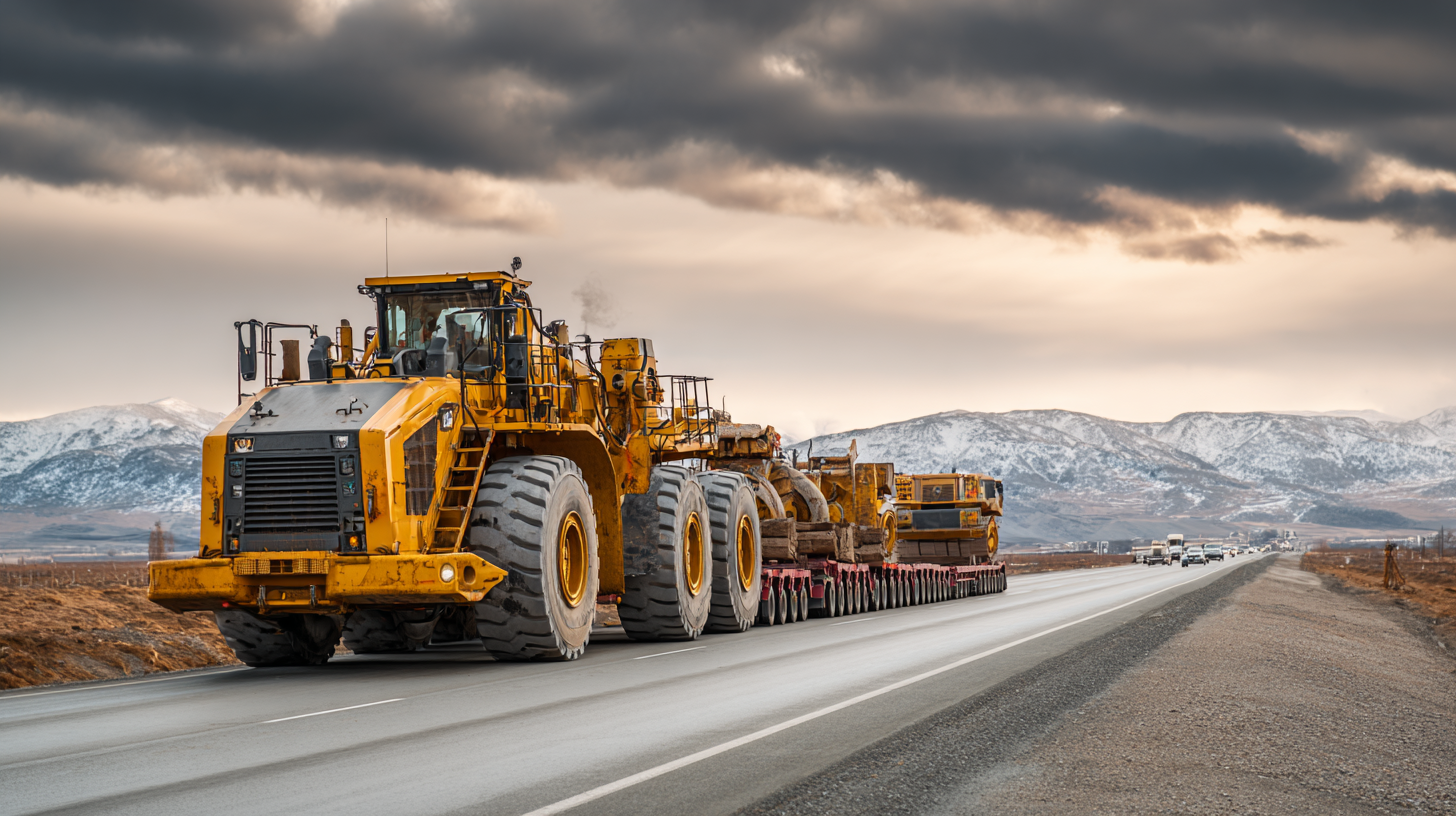
And let’s not underestimate the power of real-time data analytics—it’s a game changer! It creates a situation where making timely decisions can give companies a real edge over the competition. By tapping into IoT, businesses can make quick, informed choices, which not only helps cut costs but also bumps up service quality. We’re living in a time where staying connected is crucial, and with things like 5G rolling out, telematics systems are getting a serious upgrade, making communication between vehicles and central systems smoother than ever. This whole transformation isn’t just about improving fleet operations; it’s also about aligning with those sustainability goals we hear so much about in the logistics world. Honestly, the future of fleet management looks pretty bright, thanks to the cool stuff we’re seeing from IoT and AI tech.
The Role of Electric and Hybrid Technologies in Sustainable Heavy Machinery Transport
You know, the way we transport heavy machinery is really changing, especially with electric and hybrid technologies making big waves.
Just think about it: back in 2021, the International Energy Agency (IEA) reported that global electric vehicle (EV) sales hit an impressive 6.6 million units! Can you believe that?
And guess what, they’re expecting that number to double by 2025! This isn’t just about cars and light vehicles, though; heavy machinery is hopping on this trend too.
For operators looking to cut down on fuel costs and stay ahead of those tough emissions regulations—which by the way, are only going to get stricter as countries push for sustainability—electric and hybrid options are looking better and better.
Embracing these new technologies in heavy machinery transport is key for companies aiming to boost efficiency and shrink their carbon footprint. Did you know that the heavy equipment sector accounts for around 30% of greenhouse gas emissions in construction, according to McKinsey & Company?
That’s a hefty amount! By switching to electric and hybrid systems, businesses can really lessen their dependency on fossil fuels.
Some hybrid models can even improve fuel efficiency by up to 30%, which is pretty amazing! As we move closer to 2025, it’s becoming super clear that electric and hybrid tech are set to change the game for heavy machinery transport.
It’s a win-win for the economy and our environment, making it a no-brainer for buyers around the globe.
Leveraging Data Analytics for Predictive Maintenance and Operational Cost Reduction
As we inch closer to 2025, the heavy machinery transport sector is really starting to embrace data analytics. It's all about predictive maintenance and cutting down on operational costs these days. With wired industrial IoT sensors coming onto the scene, we’re on the brink of a major shift in the industry. Can you believe that the global market is projected to jump from $7,973.2 million in 2025 all the way to $21,498.2 million by 2033? That’s a stunning compound annual growth rate of 13.2%! This kind of growth really shows how much folks are beginning to understand the perks of real-time data—like sharper insights that can upgrade maintenance schedules and seriously cut down on those pesky unexpected downtimes.
Take the oil and gas sector, for instance. The anticipated growth in big data applications highlights just how crucial analytics has become for making smart operational calls. Over in the UK, the market for digital oilfield solutions is gearing up to hit around $1.29608 billion by 2024, boasting an impressive CAGR of 7.54% through 2035. By increasingly leaning into data-driven strategies, companies are not only making their operations smoother but also racking up significant savings. It’s clear that tapping into these emerging technologies isn’t just a nice-to-have anymore; it’s key to boosting efficiency and padding those profit margins in heavy machinery transport!
Key Innovations in Supply Chain Logistics for Heavy Machinery Transport in 2025
Looking ahead to 2025, the heavy machinery transport game is really about to change, thanks to some cool innovations in supply chain logistics. We’re talking about technologies like advanced telematics and IoT-enabled tracking systems that will give us a whole new level of visibility into global supply chains. This kind of interconnectedness means buyers can keep an eye on their machinery while it’s on the move, which is huge for making quick decisions and tackling any hiccups before they become bigger problems. Plus, by integrating these tech solutions, we can optimize routes and cut down on delays, ensuring that everything arrives right on time at construction sites—no one likes waiting for equipment, right?
And let’s not forget about automation, which is going to be a game-changer in this space. We can expect to see autonomous vehicles and drones making their way into the industry, offering smart solutions for transporting hefty equipment across tough terrains. When you throw AI-driven analytics into the mix, logistics providers will be in a much better position to predict demand, manage inventory like pros, and keep costs down. This tech shift isn’t just about efficiency; it’s about enhancing safety, reducing those labor-heavy tasks, and being able to flexibly respond to the ever-changing market demands. Honestly, it’s an exciting time to be a buyer in the heavy machinery world!
Emerging Technologies in Heavy Machinery Transport for Global Buyers in 2025 - Key Innovations in Supply Chain Logistics for Heavy Machinery Transport in 2025
| Technology |
Description |
Implementation Year |
Impact on Efficiency |
| Autonomous Vehicles |
Self-driving trucks for transporting heavy machinery. |
2025 |
Increase in delivery speed by 30% |
| IoT Sensors |
Real-time tracking and monitoring of machinery condition. |
2025 |
Reduction in maintenance costs by 25% |
| Blockchain Technology |
Enhanced transparency and security in supply chain transactions. |
2025 |
Improved transaction speeds by 40% |
| 3D Printing |
On-demand production of spare parts for machinery. |
2025 |
Decrease in inventory costs by 35% |
| Augmented Reality (AR) |
Training and maintenance support through AR visualizations. |
2025 |
Enhancement in training efficiency by 50% |
Adopting AR and VR Technologies for Enhanced Training and Safety in Heavy Machinery Operations
As we gear up for 2025, it's pretty exciting to see how Augmented Reality (AR) and Virtual Reality (VR) are shaking things up in the world of heavy machinery training and safety protocols. Industry insiders are reporting a serious uptick in investment in AR and VR training tools, with forecasts showing a jaw-dropping growth of over 30% each year. These technologies offer immersive learning experiences, letting operators dive into realistic simulations. This not only helps them learn better but also keeps them safe by reducing risks. For example, companies are now using VR to run simulations that teach complex machinery operations without exposing anyone to the dangers of real-life training. How cool is that?
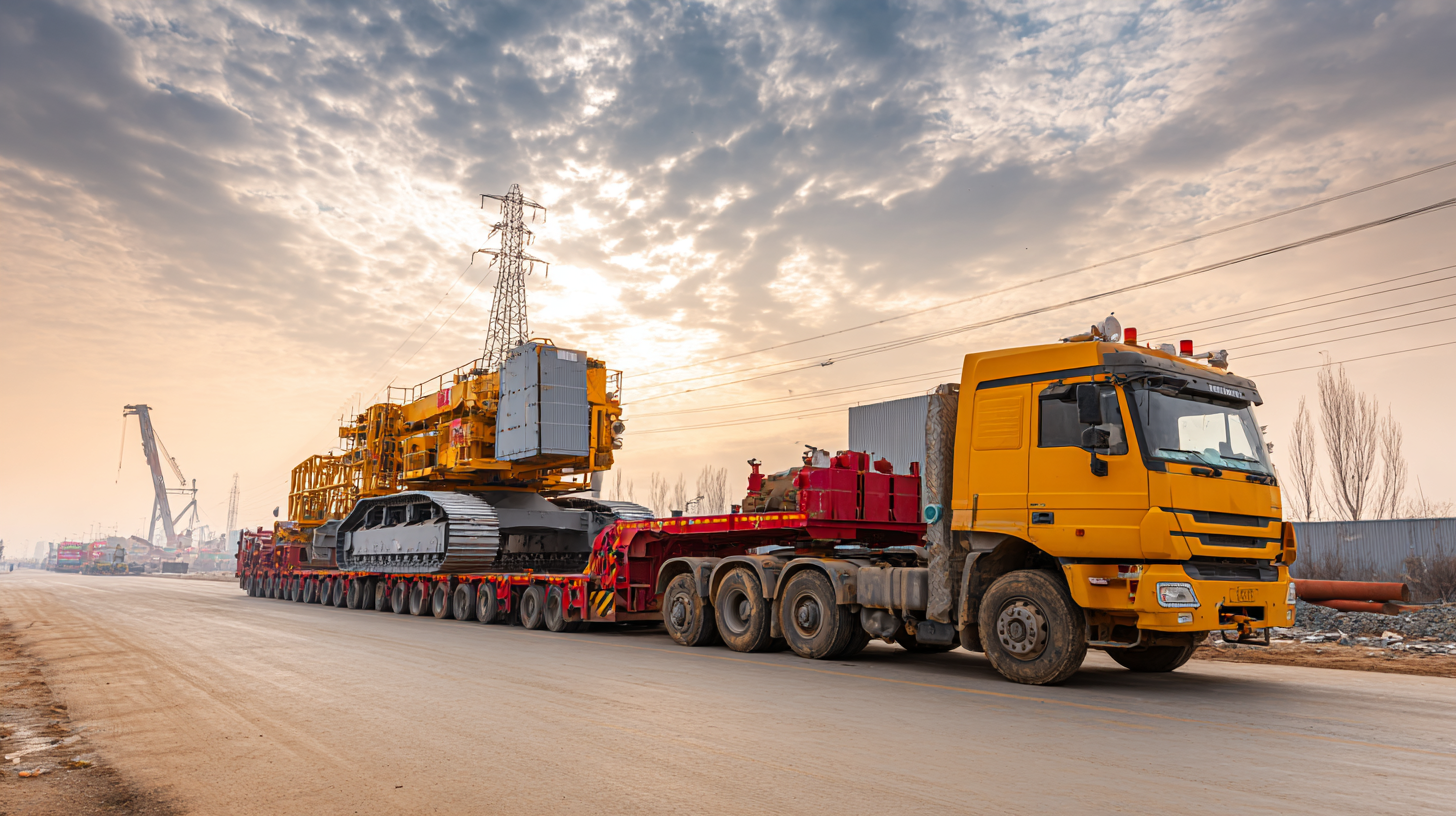
Recent developments really highlight just how effective AR and VR can be when it comes to making workplaces safer. With immersive training programs, workers can actually visualize how to maintain equipment and follow safety protocols—this helps cut down on mistakes that can happen on the job. It’s pretty amazing that industries like mining and construction are already tapping into these technologies for virtual training sessions, and they’re reaching workers even in remote areas. According to some recent studies, companies that have adopted AR and VR training are seeing employees learn 40% faster, plus a significant drop in safety incidents. This trend really shows that embracing these new technologies isn't just about making things run smoother; it’s also about creating a much safer environment for everyone involved in heavy machinery operations.
FAQS
: IoT technology is revolutionizing fleet management by enhancing operational efficiency, improving real-time decision-making, and providing comprehensive visibility into vehicle performance, which allows fleet managers to monitor conditions and respond quickly to anomalies.
Real-time data analytics facilitates timely decision-making, leading to competitive advantages, cost reduction, and improved service delivery, empowering companies to leverage IoT for informed choices.
The integration of 5G enhances advanced telematics systems by allowing seamless communication between vehicles and centralized platforms, improving overall fleet operations and connectivity.
Automation, including the use of autonomous vehicles and drones, is expected to streamline operations and provide efficient solutions for transporting large equipment over challenging terrains in the heavy machinery transport sector.
IoT-enabled tracking systems enhance real-time visibility, allowing buyers to monitor the status of machinery in transit and leading to better decision-making and proactive problem resolution.
AI-driven analytics will enable logistics providers to predict demand patterns, manage inventory more effectively, and reduce operational costs, enhancing safety and allowing flexible responses to market changes.
The evolution of fleet operations, driven by IoT and real-time data, allows for smarter route planning, which can optimize delivery times and minimize delays.
The advancements in fleet management, powered by IoT and AI, align with sustainability goals by optimizing operations and reducing resource consumption in the logistics sector.
The shift toward automation may present challenges such as the need for new regulations, workforce adaptation, and possible initial costs associated with implementing advanced technologies.
The logistics sector is preparing for changes in market demands by leveraging advanced technologies, including IoT and AI, to enhance flexibility and responsiveness in operations.

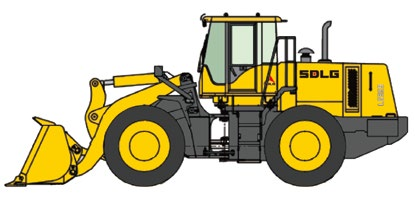 Wheel Loader
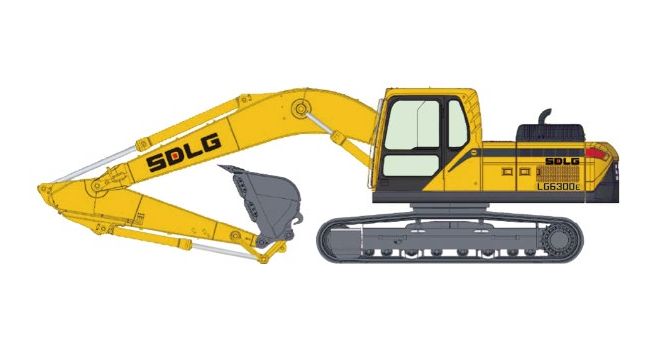 Excavator
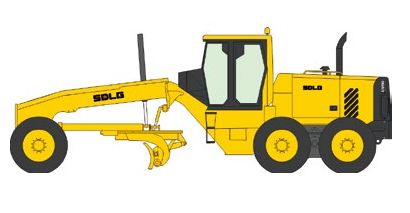 Motor Grader
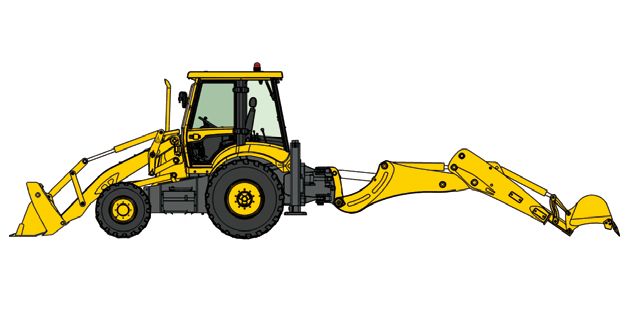 Backhoe Loader
 Road Roller
 Spare Parts